
New-build lawn guide: preparation, aftercare and the first mow
Whether you're about to ask for a quote or your turf went down yesterday, this guide covers what a new-build lawn needs, in order.
Before
Why new-build gardens need preparing
During construction a garden is used as a storage yard and a turning space. By handover the soil is often squashed flat, with debris buried just below the surface and a thin dressing of soil on top, or a quick layer of builders' turf.
Turf laid on ground like that can't root properly. In wet weather water sits on top; in dry weather the turf shrinks and browns. Breaking up the compacted layer, clearing debris, levelling and adding topsoil where needed gives the roots somewhere to go.
Turf day
What happens on the day
-
Surface cleared
Debris picked out and taken away.
-
Ground loosened and levelled
Compaction broken up, dips filled, a gentle fall kept.
-
Topsoil
Spread and raked where the soil layer is thin.
-
Turf laid and rolled
Staggered like brickwork, joints tight, rolled firm.
-
Edges cut
Neat lines along paths, drives and patios.
After
Watering new turf
Water is the single biggest factor in whether new turf takes. Start on the day it's laid and soak it thoroughly, so the water reaches the soil underneath, not just the grass.
The first two weeks
In dry weather, water every day, ideally early morning or evening. Lift a corner of a roll: the soil underneath should be damp. Pay extra attention to edges and corners, which dry first.
Weeks three and four
As the roots take, water less often but more deeply. A good soak every two or three days in dry weather encourages roots to grow down.
Rain and wind
Steady rain counts as watering. Wind dries turf quickly, so breezy coastal and hilltop gardens may need water even on cloudy days.
First mow
Mowing for the first time
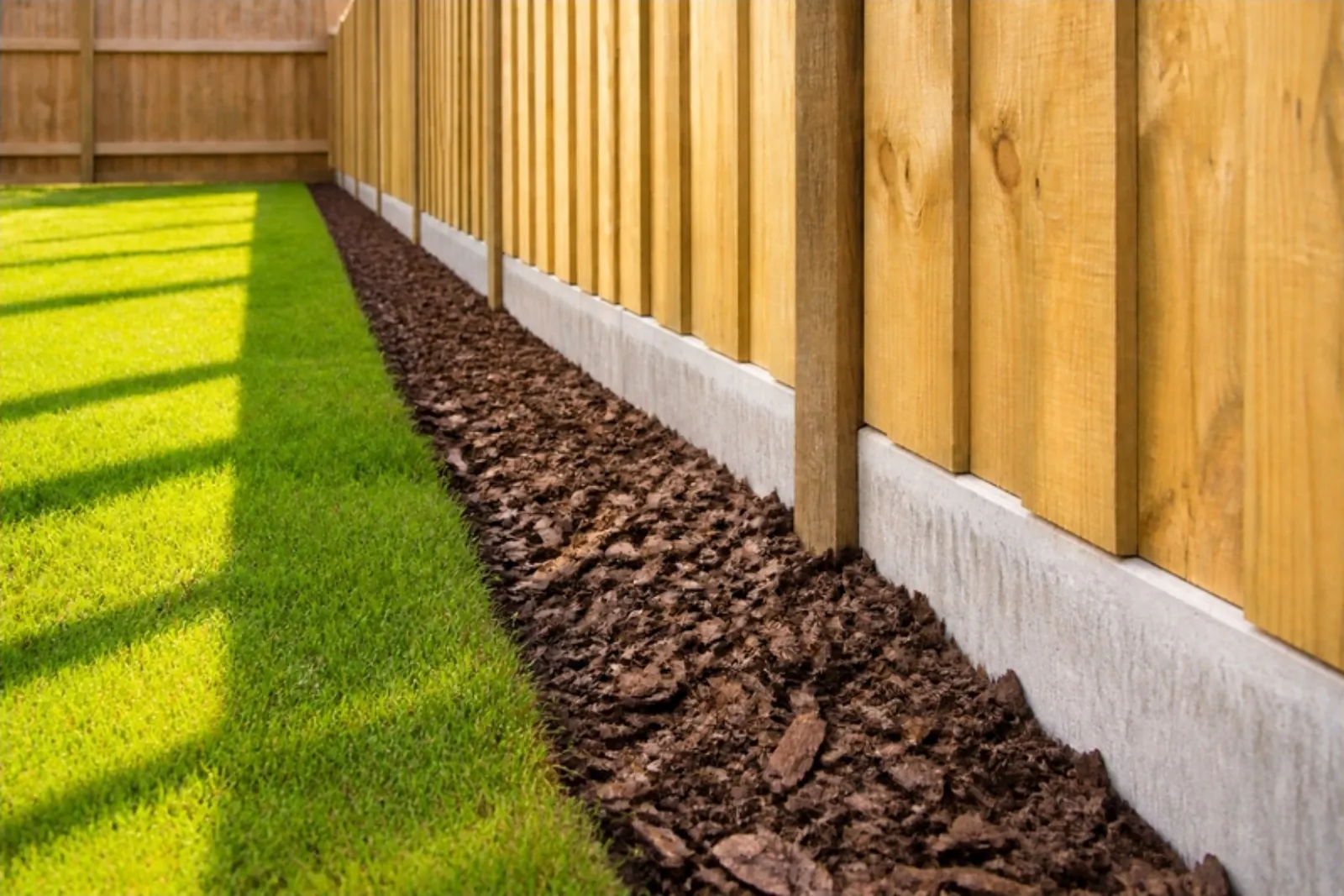
When the roots have taken
Wait until the turf is rooted, which usually takes a few weeks. Gently tug a corner: if it resists, it's ready.
Use the highest mower setting and trim no more than a third of the blade length. Mow when the lawn is dry, and lower the height gradually over the following mows.
- Mower blades sharp
- Highest setting first time
- Avoid sharp turns on the new turf
The first months
Settling in
-
Keep watering in dry spells
Through the first summer, a new lawn still needs help in long dry periods.
-
Mow little and often
Regular light cuts thicken the grass better than occasional heavy ones.
-
Ease into use
Light use once rooted; save football matches for when it's well established.
Aftercare questions
Should I walk on new turf?
Keep off as much as possible for the first couple of weeks, apart from watering. If you have to cross it, lay a plank down first.
Why are the joins between rolls showing?
Gaps at the joins usually mean the turf is drying out. Water more, especially along edges and joins, and they should close as the grass grows.
Can I feed new turf straight away?
Wait until it has rooted and you've mown a few times. Freshly cut turf usually has what it needs for the first weeks.